
How to Prepare Your Home for a Major Renovation
03/01/2024
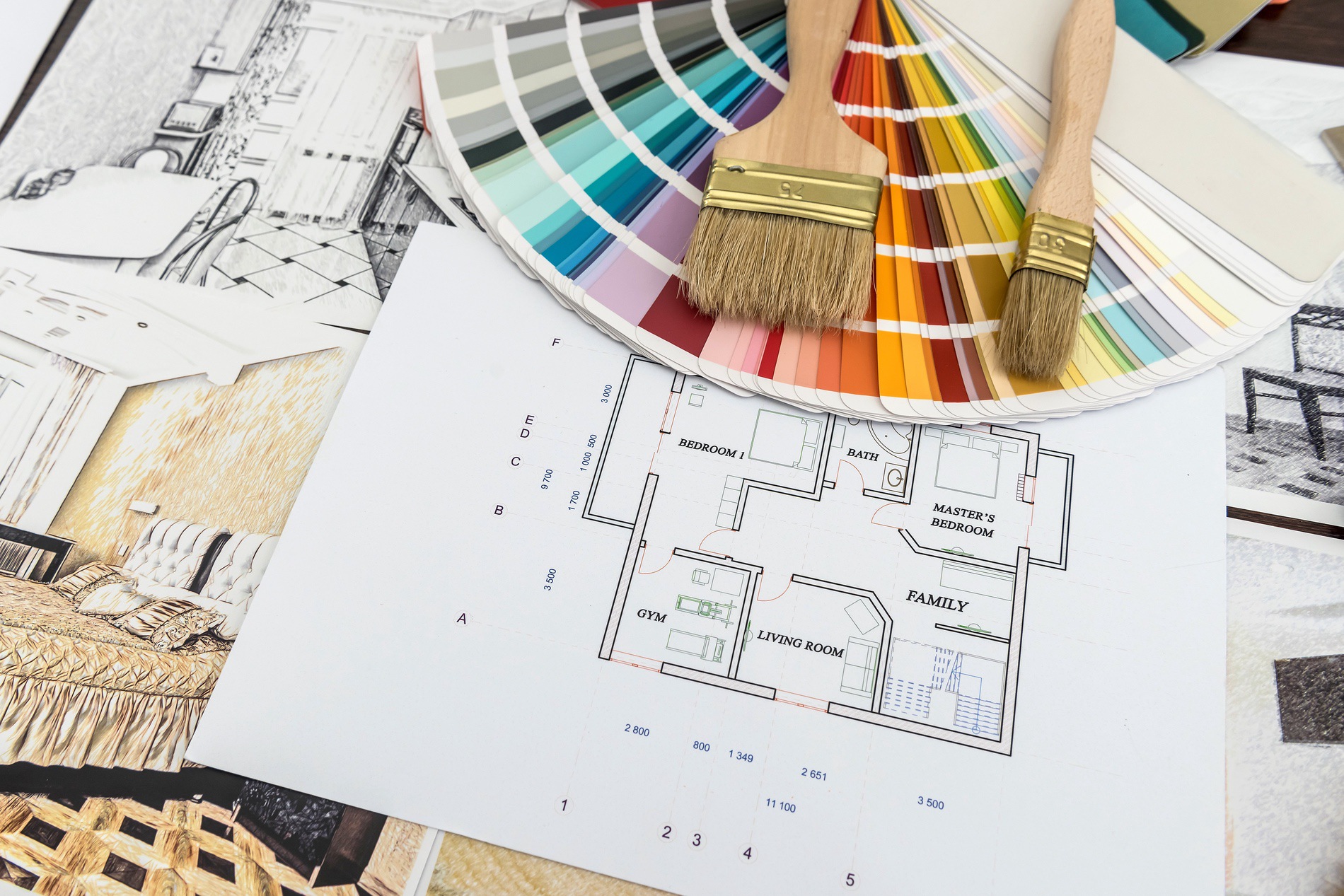
A major renovation is an exciting but challenging undertaking. Whether you’re remodeling your kitchen, adding an extension, or renovating your entire home, proper preparation is essential to minimize stress and ensure a smooth process. By taking a few key steps before construction begins, you can protect your belongings, keep your family safe, and maintain a sense of order. Here’s a complete guide on how to prepare your home for a major renovation.
Step 1: Plan Your Living Arrangements
One of the first things to consider is how your renovation will impact your daily life. Depending on the scope of the project, certain areas of your home may be inaccessible, and the noise, dust, and disruptions may make it uncomfortable to stay in the house.
- Decide Whether to Stay or Move Out: If your renovation involves the kitchen, bathrooms, or multiple living spaces, consider finding temporary housing. Options include staying with family or friends, renting an apartment, or booking an extended stay at a hotel.
Set Up Temporary Spaces: If you decide to stay in your home, create temporary living areas to minimize disruption. For instance, if your kitchen is being renovated, set up a small kitchenette in another room with essentials like a microwave, coffee maker, and mini-fridge. Tip: Plan your living arrangements well in advance to avoid last-minute stress and ensure you have a comfortable space during the renovation.
Step 2: Protect Your Belongings
Renovation projects often create dust, debris, and the risk of accidental damage to your belongings. Protecting your possessions is crucial to avoid costly repairs or replacements.- Clear the Renovation Area: Remove all furniture, decor, and personal items from the area being renovated. Store them in a safe location, such as a spare room, basement, or rented storage unit.
- Cover Larger Items: If moving certain items is not feasible, cover them with protective sheets or plastic tarps to shield them from dust and damage.
- Protect Floors and Walls: Use drop cloths, plastic sheeting, or cardboard to protect flooring and walls in adjacent areas. This prevents scratches, stains, and other damage during construction. Tip: Label your boxes and storage bins clearly to make unpacking and re-organizing easier once the renovation is complete.
Step 3: Secure Your Home
Renovation sites can attract unwanted attention, as they often contain expensive tools and materials. Taking steps to secure your home can protect your property and provide peace of mind.
- Install Temporary Security Cameras: Placing cameras in key areas can help monitor activity around your home and deter potential intruders. Many affordable, wireless options are available that are easy to install and relocate as needed.
- Communicate with Your Contractor: Make sure your contractor and their crew understand your security protocols, including locking doors and securing tools when they leave the site.
- Notify Your Neighbors: Informing your neighbors about the renovation timeline helps build awareness and encourages them to report any suspicious activity. Tip: If you plan to stay elsewhere during the renovation, consider setting timers for your lights or using a smart home system to make your house appear occupied.
Step 4: Set Up a Renovation Zone
Creating a designated renovation zone helps contain the mess and keeps your home as organized as possible during the project. - Erect Temporary Barriers: Use plastic sheeting or zip walls to separate the renovation area from the rest of your home. This reduces the spread of dust and debris, making it easier to keep other areas clean. - Establish a Staging Area: Set up a staging area where contractors can store tools, materials, and supplies. This keeps the work zone organized and minimizes disruption to the rest of your home. - Plan Access Routes: Identify which entrances and pathways contractors should use to access the renovation area. This helps contain dirt and damage to specific parts of your home. Tip: Place mats and rugs at entry points to catch dust and dirt, and establish rules for the work crew, such as removing shoes before entering certain areas.
Step 5: Prepare for Noise and Disruption
Major renovations are noisy and can be disruptive to your daily routine. Planning ahead can help you manage these challenges more effectively.
- Adjust Your Schedule: If you work from home or have young children, plan your schedule around the construction work. Consider working from a cafe or co-working space during peak construction hours, or arrange for your children to spend time with family or friends. - Plan for Pets: Noise and disruption can be stressful for pets. Consider boarding your pets or asking a friend or relative to care for them during the renovation. If they remain in the home, create a safe and quiet space away from the construction area.
- Communicate with Your Contractor: Discuss the work schedule with your contractor so you know when the loudest and most disruptive activities will take place. This allows you to plan around them. Tip: Noise-canceling headphones or white noise machines can help reduce the impact of construction noise if you need to stay in the home during work hours.
Step 6: Coordinate with Your Contractor
Good communication with your contractor is essential for a smooth renovation process. Establishing clear expectations and keeping in regular contact will help prevent misunderstandings and delays.
- Create a Communication Plan: Decide on the best method for updates (e.g., phone calls, texts, or email) and set a regular check-in schedule. This ensures you stay informed about progress, changes, or any unexpected issues that may arise.
- Review the Project Timeline: Make sure you and your contractor are aligned on the project timeline and key milestones. Knowing what to expect each week helps you plan accordingly.
- Discuss Contingencies: Renovations don’t always go as planned. Discuss how the contractor will handle unforeseen issues like delays in material delivery or unexpected structural challenges. Tip: Document all communications and agreements in writing to avoid misunderstandings and have a reference point if any disputes arise.
Step 7: Plan for Permits and Inspections
Depending on the scope of the work and local regulations, permits and inspections are often required for major renovations. Ensuring these are handled correctly is crucial to avoid delays and legal issues.
- Work with Your Contractor: Your contractor should take the lead in securing the necessary permits and scheduling inspections. Make sure this is part of their service before hiring them.
- Know the Requirements: Familiarize yourself with your city’s building codes and permit requirements. Being informed allows you to ask the right questions and ensure everything is done by the book.
- Plan for Inspection Delays: Inspections can sometimes take longer than expected. Build extra time into your schedule to accommodate potential delays. Tip: Keep copies of all permits and inspection documents for your records in case they are needed later for legal or resale purposes.
Step 8: Make a Contingency Plan
Despite the best preparation, unexpected issues can arise during a renovation. Having a contingency plan in place helps you navigate these challenges with minimal stress.
- Budget for Extra Costs: Set aside 10-20% of your budget as a contingency fund for unforeseen expenses, such as additional labor or material costs.
- Prepare for Timeline Extensions: Delays are common in renovation projects. Be flexible with your timeline and have a plan if the project extends beyond the expected completion date.
- Stay Calm and Flexible: Understand that some changes and challenges are inevitable. Staying calm and flexible allows you to make decisions efficiently and keep the project moving forward. Tip: Regular check-ins with your contractor can help identify potential issues early, allowing you to address them before they become major obstacles.
Conclusion
Preparing your home for a major renovation involves careful planning and proactive measures to ensure a smooth and successful project. By setting up temporary living spaces, protecting your belongings, securing your property, and coordinating with your contractor, you can minimize disruption and stress throughout the renovation process. With the right preparation, your renovation can be an exciting and rewarding transformation of your home.
