
Ground-Up Construction vs. Renovation: Choosing the Right Approach for Your Property — Commercial New Construction in Stockton, CA
11/01/2024
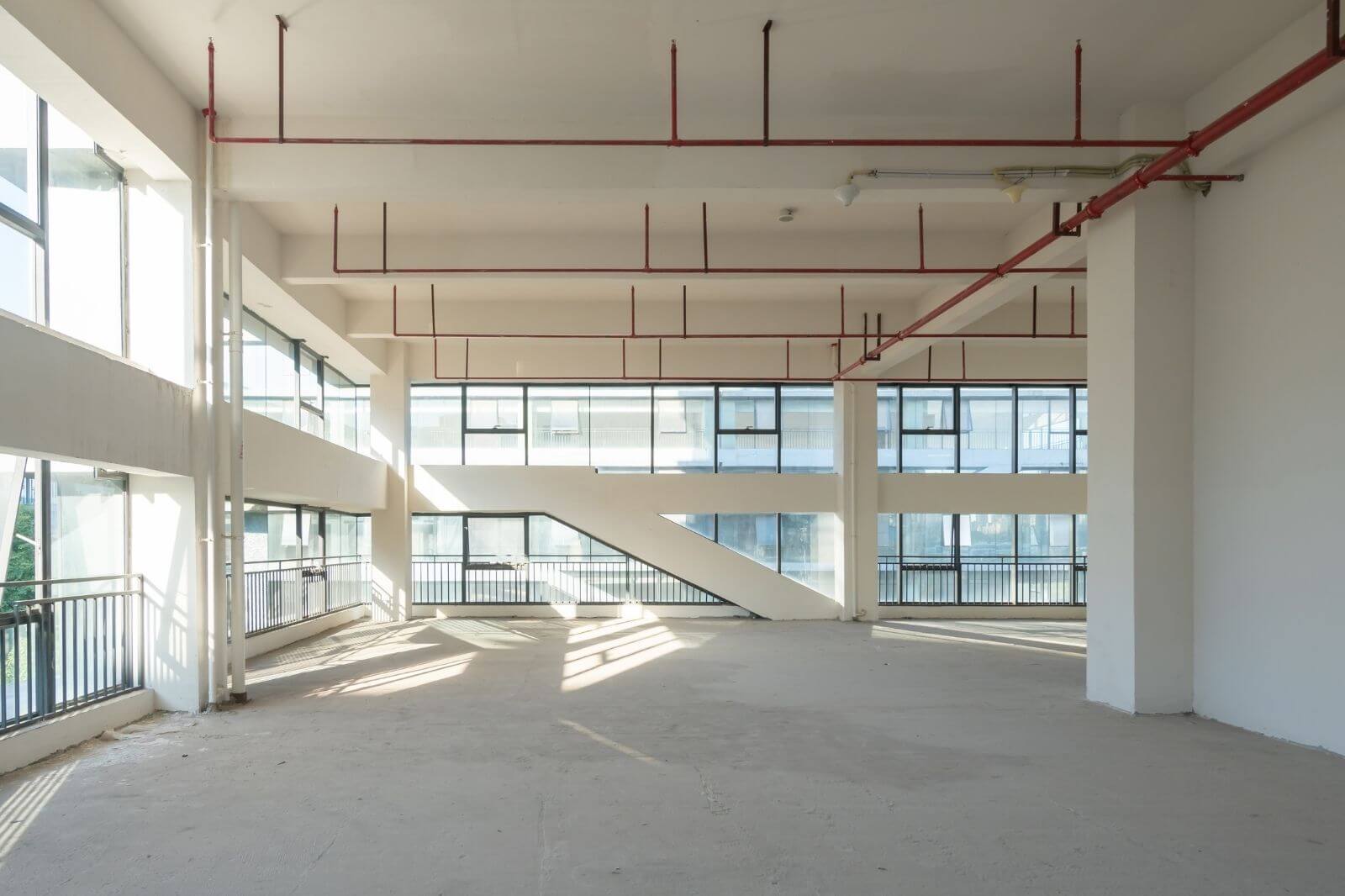
Planning a major upgrade to a commercial property in Stockton, CA? The first question is often the biggest: renovate what you have or start fresh with a purpose-built facility. This guide breaks down the trade-offs so you can align scope, schedule, and budget—and see where Commercial New Construction in Stockton, CA offers the best long-term value.
Explore our approach: Commercial New Construction.
Quick definitions
- Renovation/Adaptive Reuse: Upgrading or reconfiguring an existing building—systems, layout, finishes, accessibility, and life safety—to meet current needs and codes.
- Ground-Up Construction: New building from the foundation up, optimized for operations, energy performance, and site experience.
Both paths can succeed with the right plan. The better choice depends on condition, compliance, and the business case behind your project.
Decision framework: renovation or new build?
Use these lenses to compare options:
1) Condition and compliance
- Structural health: If structural upgrades or seismic work are extensive, a new build may be more predictable than retrofitting.
- MEP systems: Aging HVAC, electrical capacity limits, or failing plumbing can tilt the math toward replacement vs. patching.
- Accessibility & life safety: Deep ADA and egress corrections inside tight floor plates can be costly; ground-up offers cleaner compliance.
2) Site and layout efficiency
- Right-sized grids: Column spacing, clear heights, and loading positions dictate productivity. If the existing plan constrains you, a new build unlocks efficiency.
- Circulation: Parking ratios, drive aisles, and deliveries might be hard to fix on legacy sites.
- Future expansion: If you anticipate growth, design a structural grid and utility pathways that flex with you.
3) Schedule and business continuity
- Renovation advantage: Faster entitlement and selective scope can accelerate delivery.
- Ground-up predictability: Fewer hidden conditions; more work happens in parallel once the site is ready.
- Occupied operations: Phased renovation keeps doors open; new builds avoid daily disruption but require temporary relocation.
4) Total cost of ownership
- Upfront vs. lifecycle: Renovations may cost less now. Ground-up can lower energy, maintenance, and staffing costs for years.
- Resale and branding: A purpose-built facility with modern systems often commands higher value and strengthens brand.
Pro Tip: Price both paths with parallel concept estimates. A side-by-side model—scope, schedule, allowances, and contingencies—makes the decision objective and reduces redesign later.
People Also Ask (Stockton-focused)
Is it cheaper to build new or renovate a commercial building?
Upfront, renovation can be less expensive—especially for light reconfigurations. If you need major structural or systems changes, a ground-up facility may deliver better value over the building’s life.
How long does ground-up commercial construction take?
Timelines vary with size and approvals. Plan months for design/permitting and additional months for sitework and construction. Early contractor involvement helps secure long-lead materials and compress the schedule.
Do I need to close my business during a renovation?
Not always. With careful phasing, after-hours work, and dust/noise control, many tenants continue operating through a remodel. We’ll build a plan that protects staff and customers.
When renovation makes the most sense
Choose renovation or adaptive reuse when:
- The structure is sound and floor plates work with modest layout changes.
- You need speed to market and can keep scope focused.
- Brand refresh is the goal, not a complete operational shift.
- Zoning or historic context favors preserving the envelope.
What we deliver:
- As-built verification: Catch hidden conditions before design hardens.
- Phased plans: Keep critical areas open while we work.
- Target-value engineering: Prioritize upgrades that move the needle—lighting, HVAC zoning, and accessible routes.
- Clean job sites: Barriers, negative air, and safe paths of travel maintain operations.
See interiors we’ve transformed in our Portfolio and learn our step-by-step approach in the Construction Process.
When ground-up delivers the best value
Ground-up construction shines when:
- Operational needs demand it: Clear heights, loading, power, or specialized rooms your existing shell can’t support.
- You’re planning for growth: Structural grids and utilities designed for expansion reduce future downtime.
- Lifecycle performance matters: High-efficiency envelopes, mechanical systems, and daylighting lower operating costs.
- Site experience is critical: Parking, entries, and customer flow are optimized from day one.
See how we plan, budget, and schedule new facilities: Commercial New Construction.
Budgeting both paths (without guesswork)
- Due diligence: Structural review, MEP assessments, code and accessibility audit, geotech/site utilities for new builds.
- Concept design + pricing: Parallel test-fits for renovation and ground-up with itemized alternates.
- Schedule mapping: Identify critical approvals, long-lead items (switchgear, rooftop units, doors/frames), and phasing windows.
- Risk register: Unknown conditions, utility relocations, and supply constraints with contingency and mitigation strategies.
- Stakeholder alignment: Landlord, tenant, architect, and contractor align on scope and timeline—before CDs.
Minimizing disruption during renovation
- Work windows: Nights/weekends for loud or dusty tasks.
- Separation: Hard barriers, negative air machines, and clean delivery routes.
- Communication: Weekly look-aheads and signage to keep teams and visitors informed.
- Turnover strategy: Room-by-room or wing-by-wing handoffs to start using space sooner.
If downtime isn’t feasible, we’ll map a multi-phase plan that keeps cash registers ringing while we upgrade behind the scenes. Start a plan here: Request a Quote or Contact Us.
A simple takeaway
- Renovate when the structure is solid and you can meet goals with focused scope.
- Build new when performance, expandability, or site experience are core to your operations.
- Validate with data: Concept budgets and schedules for both options make the right choice clear.
We build for the future, right here in Stockton, CA.
