
Embracing Energy Efficiency Your Guide to Eco-Friendly Home Design
12/06/2023
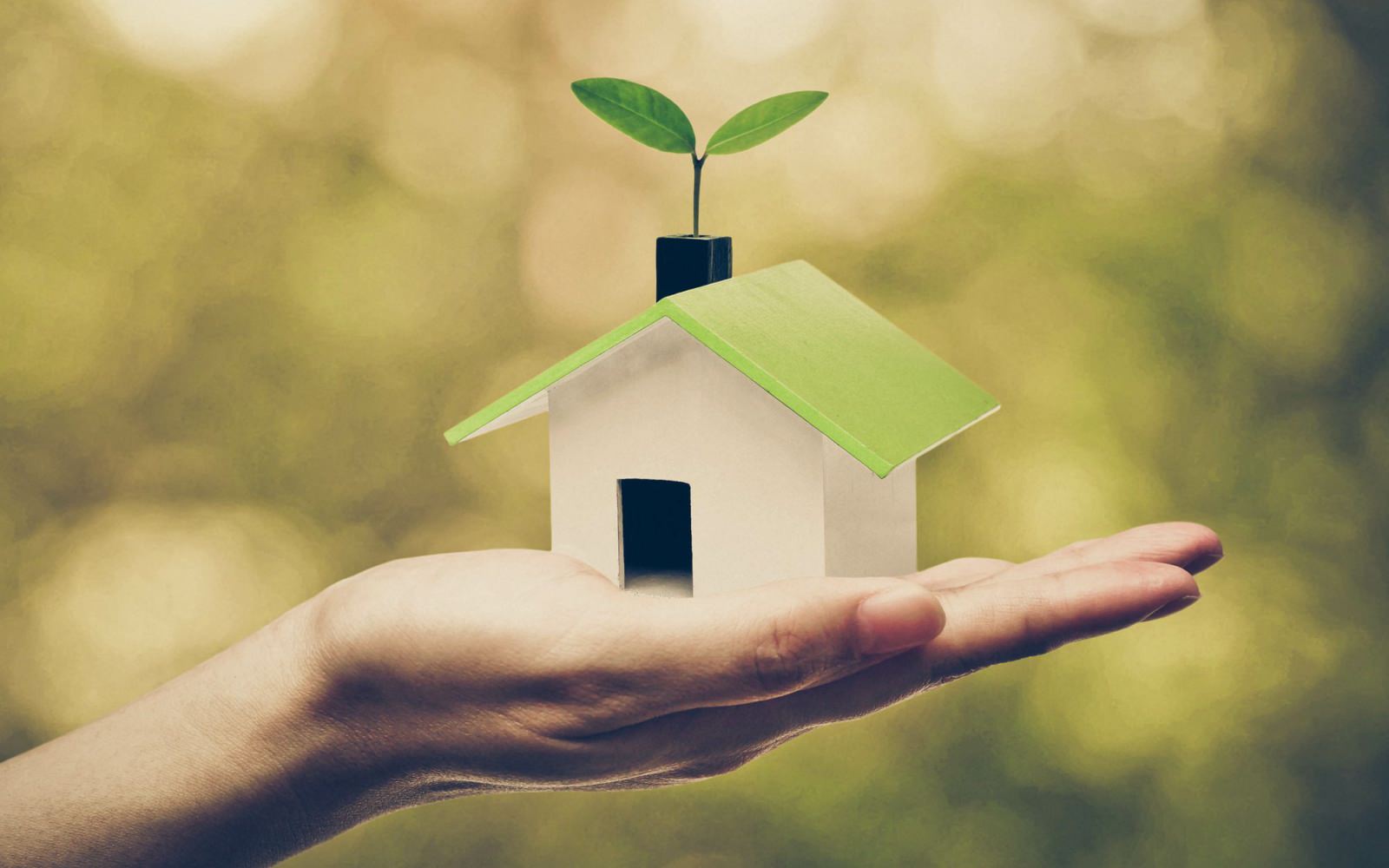
Embracing Energy Efficiency: Your Guide to Eco-Friendly Home Design
As homeowners increasingly prioritize sustainability and environmental responsibility, energy-efficient home design has become a top trend. Eco-friendly homes not only reduce carbon footprints but also provide long-term savings on energy bills and create healthier living environments. Whether you’re building a new home or renovating your current space, incorporating energy-efficient strategies can make a significant difference. In this guide, we’ll explore key elements of eco-friendly home design and offer tips to help you embrace energy efficiency in your next project.
Why Energy Efficiency Matters
Energy efficiency is about using less energy to perform the same tasks, which leads to lower energy consumption, reduced greenhouse gas emissions, and cost savings. Homes are responsible for a large portion of energy use globally, and by making small changes to the way they’re built or renovated, homeowners can make a big impact on the environment.
Some key benefits of energy-efficient home design include:
- Lower Utility Bills: Reducing energy use leads to lower heating, cooling, and electricity costs.
- Improved Comfort: Energy-efficient homes maintain more consistent indoor temperatures and better air quality.
- Increased Property Value: Eco-friendly features like solar panels and energy-efficient appliances can increase your home’s marketability.
- Environmental Impact: Reducing energy consumption helps minimize your carbon footprint and contributes to a more sustainable future.
1. Optimize Insulation for Maximum Efficiency
One of the most important factors in creating an energy-efficient home is proper insulation. Good insulation helps keep your home warm in the winter and cool in the summer, reducing the need for excessive heating and cooling.
- Types of Insulation: There are several types of insulation materials to choose from, including fiberglass, foam board, and spray foam. Each has its own benefits, but spray foam tends to be one of the most effective options for creating an airtight seal.
- Focus on Key Areas: Insulating attics, walls, basements, and crawl spaces can prevent air leaks and improve the overall energy efficiency of your home.
- Seal Windows and Doors: Energy-efficient homes use double or triple-pane windows with low-emissivity (low-E) glass to reduce heat transfer. Additionally, sealing around windows and doors with weatherstripping or caulking is essential to stop drafts.
Tip: Consider a home energy audit to identify areas of heat loss and inefficiency so you can focus your insulation efforts where they’re needed most.
2. Invest in Energy-Efficient Appliances
Energy-efficient appliances are a cornerstone of eco-friendly home design. They consume less electricity and water than traditional appliances, leading to significant savings over time.
- Look for ENERGY STAR®: When shopping for appliances, choose models with the ENERGY STAR® label. These products meet strict efficiency standards set by the Environmental Protection Agency (EPA) and use up to 50% less energy.
- Smart Thermostats: Smart thermostats, like the Nest or Ecobee, allow you to control your home’s temperature remotely and automatically adjust settings based on your daily routine, ensuring optimal energy use.
- Efficient Lighting: Replace traditional incandescent bulbs with LED or CFL bulbs, which use up to 75% less energy and last longer.
Tip: Installing motion sensors or timers on lights in less frequently used rooms can help conserve energy when the lights aren’t needed.
3. Harness the Power of Solar Energy
Solar energy is one of the most effective ways to power your home sustainably. By harnessing energy from the sun, you can significantly reduce or even eliminate your reliance on grid-based electricity.
- Solar Panels: Installing solar panels on your roof can generate clean electricity to power your home. Depending on your location and the size of your system, solar panels can reduce energy bills by up to 90%.
- Solar Water Heaters: Solar water heaters use sunlight to heat water for your home, reducing the need for gas or electric water heating systems.
- Tax Incentives: Many governments offer tax credits, rebates, and other incentives to offset the upfront costs of installing solar panels, making it a more accessible option for homeowners.
Tip: Consider your home’s orientation and roof angle when installing solar panels to maximize sun exposure and energy production.
4. Upgrade to Energy-Efficient Windows and Doors
Windows and doors play a crucial role in a home’s energy efficiency. Energy-efficient models can significantly reduce heat loss and improve indoor comfort, especially in extreme climates.
- Double- or Triple-Pane Glass: These windows are designed to provide better insulation by trapping air or inert gas between layers of glass. This reduces heat transfer and minimizes the need for heating and cooling.
- Low-E Coating: Low-emissivity coatings on windows reflect heat back into your home during the winter and keep it out during the summer, helping maintain comfortable indoor temperatures year-round.
- Energy-Efficient Doors: Insulated exterior doors, such as those made from fiberglass or steel, offer better thermal performance than traditional wooden doors.
Tip: Install shades, blinds, or curtains to control heat gain in the summer and retain heat in the winter, further enhancing your home’s energy efficiency.
5. Prioritize Water Efficiency
Water conservation is another key aspect of eco-friendly home design. By using water-efficient fixtures and systems, you can reduce water consumption and lower utility bills.
- Low-Flow Fixtures: Low-flow faucets, showerheads, and toilets use significantly less water than standard fixtures without sacrificing performance. For example, a low-flow showerhead can save up to 2.5 gallons of water per minute.
- Tankless Water Heaters: Unlike traditional water heaters that continuously heat water in a tank, tankless models heat water on demand, reducing energy use and providing hot water when you need it.
- Rainwater Harvesting: Installing a rainwater harvesting system allows you to collect rainwater for use in irrigation, reducing the demand for potable water.
Tip: Opt for native plants in your landscaping that require less water and maintenance, further conserving water resources.
6. Incorporate Passive Solar Design
Passive solar design is an architectural approach that uses a building’s orientation, materials, and natural climate to reduce energy consumption. It harnesses sunlight for heating in the winter and minimizes heat gain in the summer.
- South-Facing Windows: Large south-facing windows allow the home to capture sunlight during the winter, reducing the need for artificial heating. In the summer, overhangs or shades can block excessive sun to keep the home cool.
- Thermal Mass Materials: Materials like concrete, brick, and stone can absorb and store heat from the sun during the day, releasing it into the home at night to maintain a stable temperature.
- Natural Ventilation: Well-placed windows, vents, and open floor plans promote cross-ventilation, allowing fresh air to circulate and reducing the need for mechanical cooling.
Tip: Passive solar design works best when combined with energy-efficient insulation and windows to maintain temperature stability throughout the year.
Conclusion
Embracing energy efficiency in your home design is a smart investment that offers long-term benefits, from lower utility bills to a reduced environmental impact. By optimizing insulation, investing in energy-efficient appliances, utilizing solar power, upgrading windows and doors, and incorporating passive solar design, you can create an eco-friendly home that supports sustainability and comfort.
Whether you’re building from scratch or renovating an existing property, the strategies outlined in this guide will help you embrace energy efficiency and contribute to a greener future for your home and the planet.
