
DIY vs. Professional Contractor: Which Is Right for You?
09/01/2024
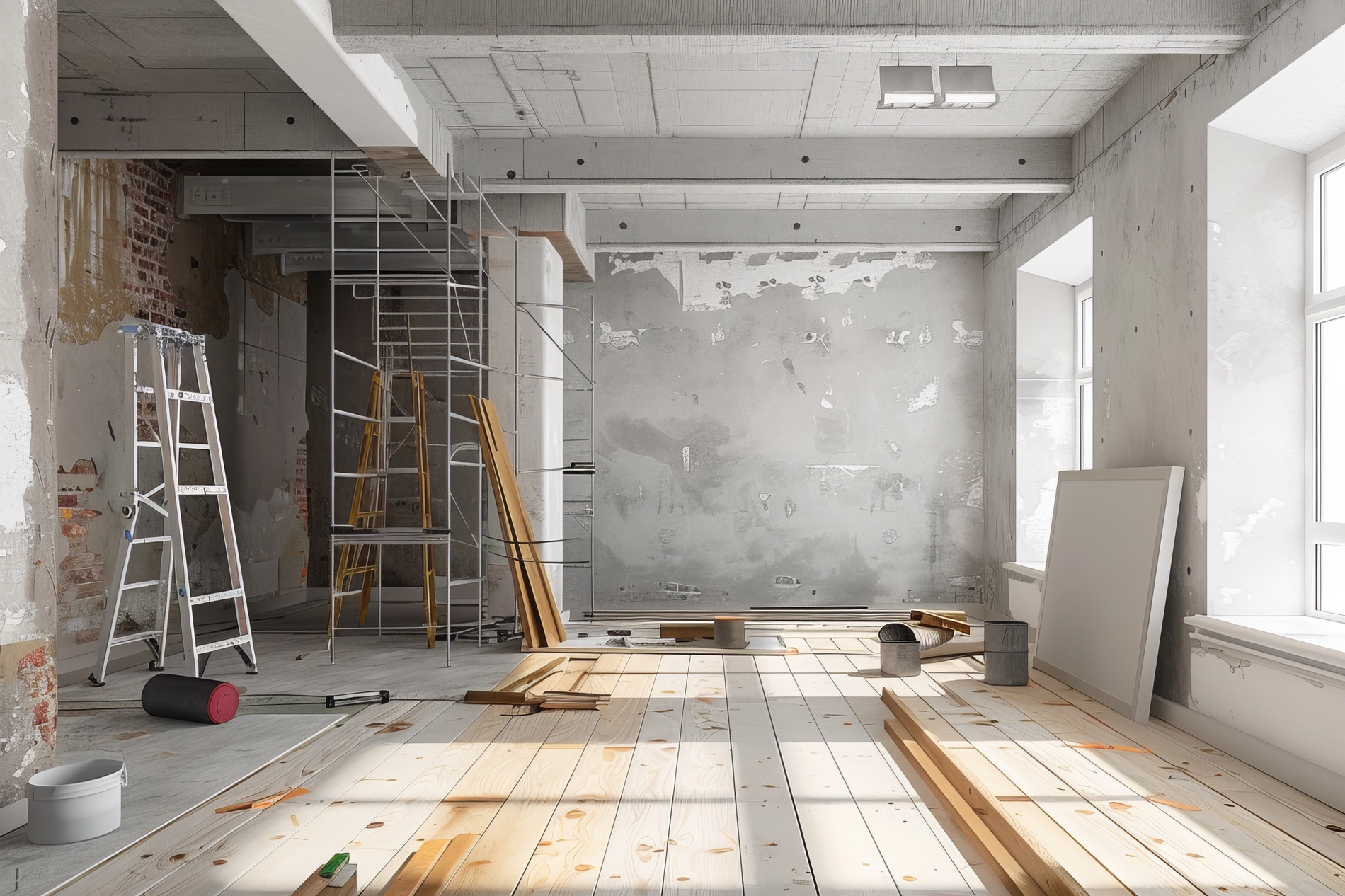
When it comes to renewing your property, you have two main options: taking the do-it-yourself (DIY) route or hiring a professional contractor. Each approach has its advantages and challenges, and the best choice depends on your skills, budget, and the complexity of the project. In this article, we’ll explore the pros and cons of both options to help you decide which path is right for you.
Understanding DIY Property Renewal
DIY property renewal involves tackling renovation projects on your own without the assistance of a professional contractor. This option is popular for smaller projects, such as painting, landscaping, or minor repairs. It’s a great way to save money and gain hands-on experience, but it also comes with its share of challenges.
Advantages of DIY Property Renewal
- Cost Savings: One of the biggest advantages of DIY is the potential to save money. Without labor costs, you can allocate more of your budget to high-quality materials or additional upgrades.
- Creative Control: When you manage the project yourself, you have complete control over every detail, from design choices to finishing touches. This allows you to create a space that truly reflects your vision.
- Sense of Accomplishment: Completing a renovation project on your own can be incredibly rewarding. The sense of accomplishment and pride that comes with DIY projects is something many homeowners enjoy.
Disadvantages of DIY Property Renewal
- Time-Consuming: DIY projects often take longer than expected, especially if you are learning as you go. Balancing your regular responsibilities with a renovation can be challenging and stressful.
- Lack of Expertise: Without professional training, you may struggle with certain aspects of property renewal, such as electrical work, plumbing, or structural modifications. Mistakes in these areas can be costly and potentially dangerous.
- Limited Resources: Professional contractors have access to specialized tools and high-quality materials at discounted rates. As a DIYer, you may have to invest in tools or settle for standard materials, which could affect the quality of your results.
When Is DIY a Good Option?
DIY property renewal is best for projects that are low-risk, require basic skills, and won’t significantly impact your home’s structure or safety. Some examples include:
Painting: Changing the color of your walls is a straightforward and budget-friendly way to refresh your space.
Landscaping: Planting gardens, building flower beds, or adding mulch are projects that can be done with minimal tools and experience. - Cosmetic Upgrades: Installing new light fixtures, replacing cabinet hardware, or hanging shelves are simple tasks that can make a big difference without the need for professional help.
Tip: If you’re considering DIY for more complex projects like flooring installation or tiling, start with a small area to practice your skills before committing to larger spaces.
Understanding Professional Property Renewal
Hiring a professional contractor for property renewal ensures that your project is handled by experts with the necessary skills, experience, and equipment. Professional services are particularly beneficial for large-scale renovations or projects involving structural changes.
Advantages of Hiring a Professional
- Expertise and Quality: Professional contractors bring years of experience and knowledge to your project, ensuring that the work is done correctly and meets building codes and regulations. Their expertise often leads to a higher-quality finish that DIY efforts may not achieve.
- Time Efficiency: Professionals have the tools, crew, and resources to complete projects quickly and efficiently. They can manage multiple tasks simultaneously, reducing the overall timeline and minimizing disruption to your daily life.
- Access to Permits and Inspections: Certain renovation projects, such as structural modifications or electrical work, require permits and inspections. A licensed contractor will handle these requirements, ensuring that everything is done legally and up to code.
Disadvantages of Hiring a Professional
- Higher Costs: Professional services come with labor costs, which can significantly increase your renovation budget. While this expense often results in higher quality and faster completion, it may not be feasible for all homeowners.
- Less Control Over the Process: When you hire a contractor, you’re entrusting your vision to someone else. While professionals work closely with clients to meet their expectations, you may have less direct control over the day-to-day details.
- Finding the Right Contractor: Hiring a professional requires research to find someone reliable, experienced, and within your budget. Choosing the wrong contractor can lead to delays, additional costs, and unsatisfactory results.
When Is Hiring a Professional a Good Option?
Professional property renewal is ideal for complex, large-scale projects that involve structural changes, electrical or plumbing work, or compliance with building codes. Examples include:
- Home Additions: Adding extra rooms or expanding living spaces requires expertise in design, framing, and foundation work.
- Kitchen or Bathroom Remodels: These projects often involve plumbing, electrical wiring, and cabinetry, all of which are best handled by professionals.
- Roof Replacement: Replacing a roof is a labor-intensive and potentially dangerous task that should be left to experienced contractors with the right equipment. Tip: When hiring a contractor, get multiple quotes, check references, and ensure they are licensed and insured to protect yourself and your investment.
Key Considerations for Making Your Decision
Deciding between DIY and professional property renewal depends on several factors. Here are some key considerations to help you make an informed choice:
1. Budget
Your budget will play a significant role in your decision. If you have a limited budget, DIY might be the best option for smaller projects. However, for larger, more complex renovations, investing in a professional contractor can save you money in the long run by avoiding costly mistakes and ensuring quality work. ### 2. Skill Level Assess your own skills honestly. Do you have experience with similar projects, or are you willing to learn? For basic tasks like painting or landscaping, DIY is often manageable. However, if the project requires specialized skills like electrical wiring or carpentry, hiring a professional is a safer option.
3. Time Commitment
Consider how much time you can realistically dedicate to the project. DIY projects can be rewarding but often take longer than anticipated. If you have a busy schedule or need the renovation completed quickly, a professional contractor may be a more efficient solution.
4. Project Scope and Complexity
The scope and complexity of your project will ultimately determine whether DIY or professional renewal is appropriate. For structural changes, plumbing updates, or large-scale renovations, professional expertise is essential to ensure safety and compliance with building codes. On the other hand, more minor cosmetic changes can be effectively managed through DIY efforts.
The Middle Ground: A Hybrid Approach
For many homeowners, a hybrid approach—combining DIY efforts with professional services—offers the best of both worlds. For example, you might: - Hire a contractor for structural work while handling painting and finishing touches yourself. - Complete the demolition phase as a DIY project to save on labor costs, then bring in professionals for rebuilding and installations. - Collaborate with a professional designer for layout and material selection while managing simpler tasks like decorating and assembling furniture.
This approach allows you to take control of aspects you’re comfortable with while leaving the more challenging or specialized tasks to the experts.
Conclusion
Deciding between DIY and professional property renewal comes down to your skills, budget, and the complexity of the project. While DIY can be a cost-effective and rewarding way to update your home, hiring a professional ensures quality, efficiency, and safety for larger, more complex renovations. By carefully assessing your needs and capabilities, you can choose the right approach—or even a combination of both—that best suits your goals. Remember, the most important factor is achieving a result you’re happy with, whether you do it yourself or work with a professional. Whichever path you choose, proper planning and realistic expectations will set you up for success.
